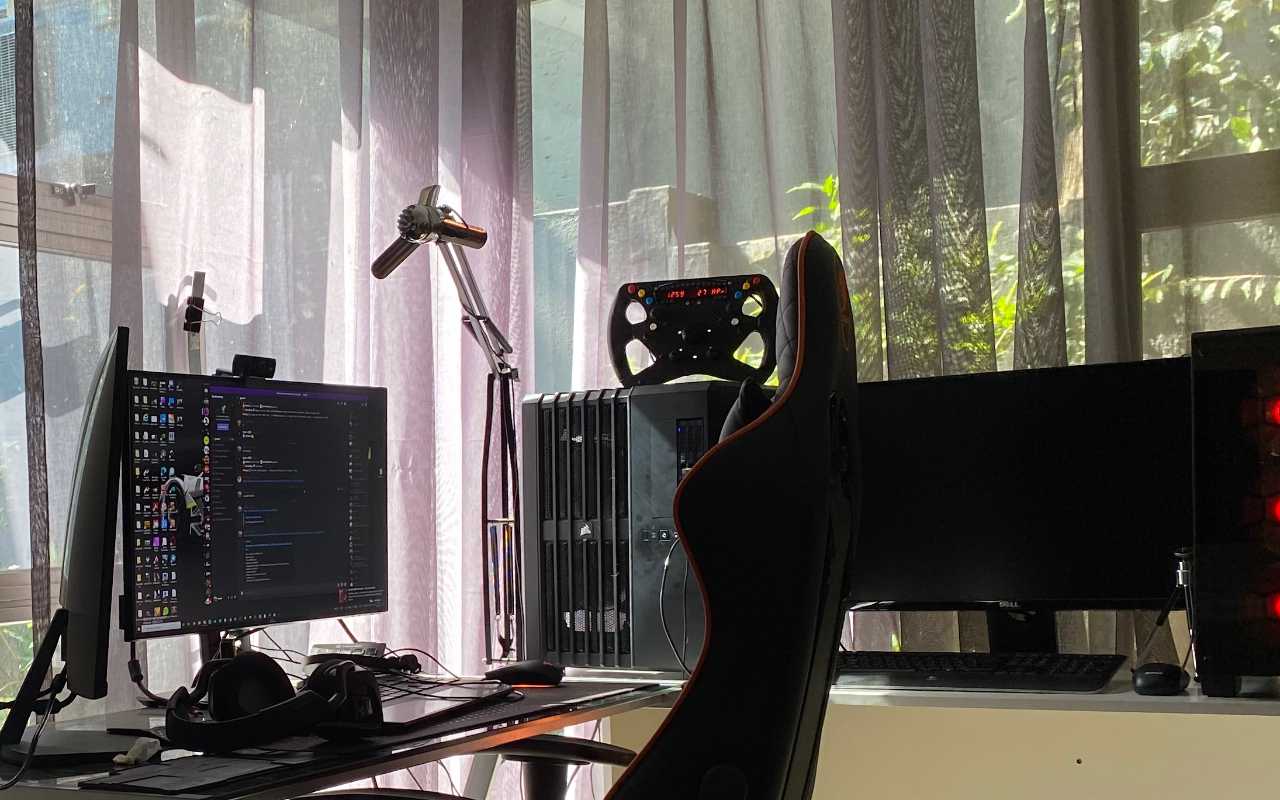
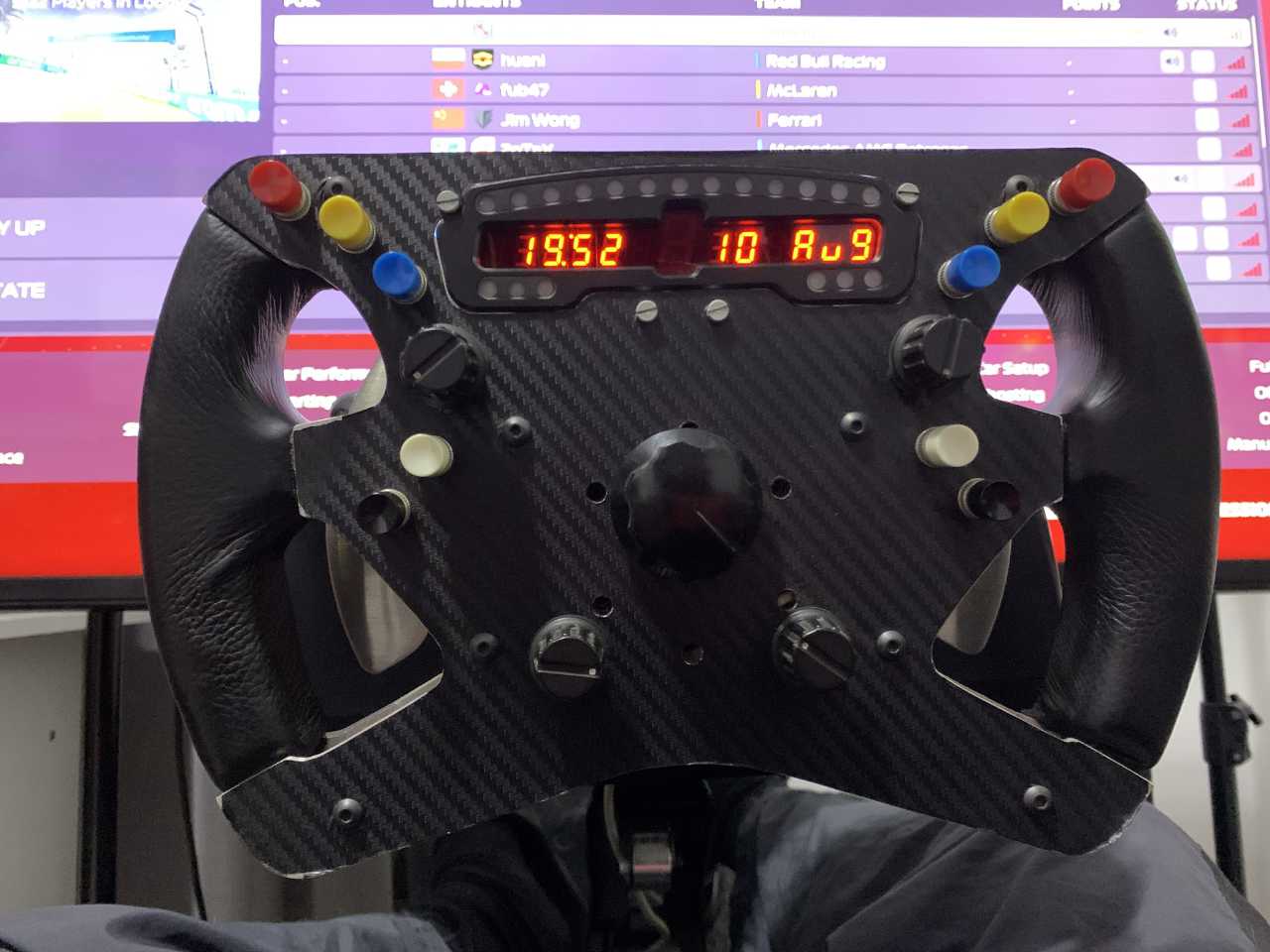
Back in 2014, we had the brainwave of building a custom steering wheel that could be mounted on a Logitech G27 wheelbase. This article covers some of the steps we followed to get it built and how it actually worked in terms of what we planned versus what we achieved.
The plan
The Logitech G27 wheel has six buttons on the wheel with paddle shifters, and that's basically that. There's no display besides the small row of rev lights, and there are no knobs for adjusting brake bias or anything like that.
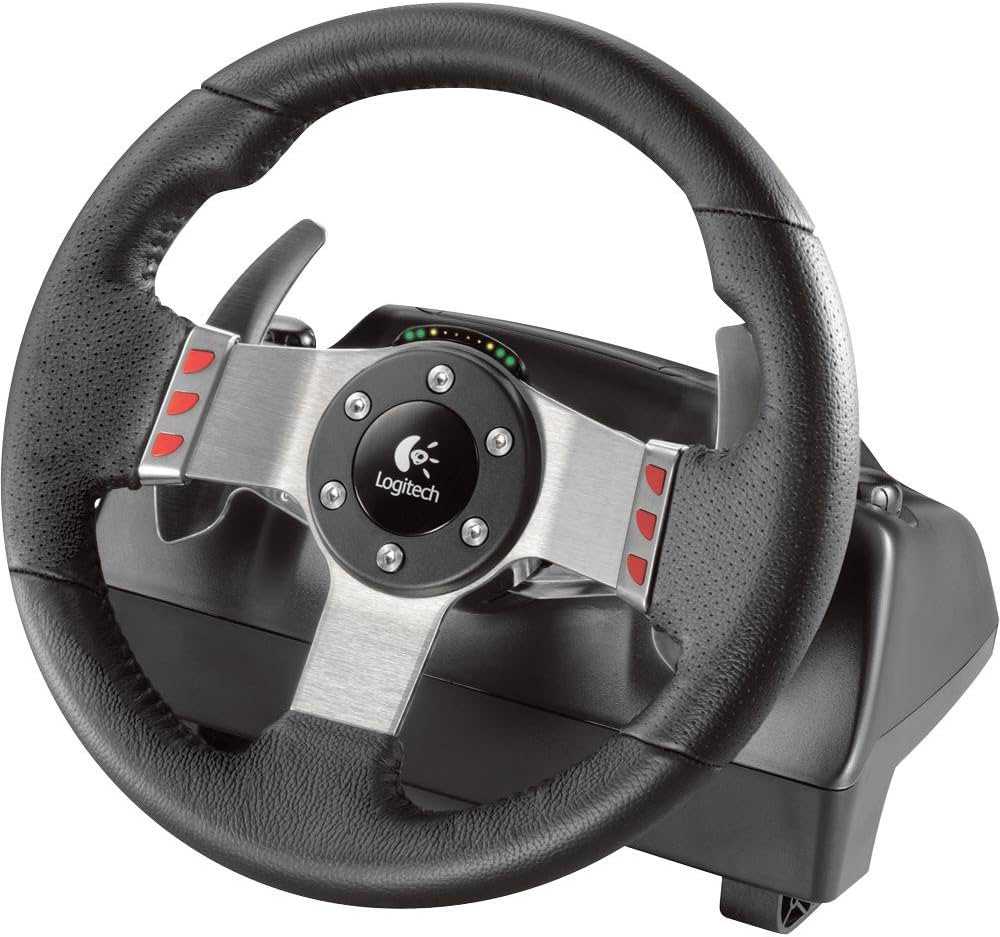
We planned to build a wheel that had a display with support for knobs that could be used to adjust brake bias, engine performance, display switching, etc., as well as a large array of buttons that we could use for Pit Speed, DRS, Voice Chat, etc.
At that time, a full colour display wasn't available anywhere that we could find, so we went for the Leo Bodnar SLI-Pro. This was a pure LED display, but also included a button/joystick controller for support for buttons and knobs.
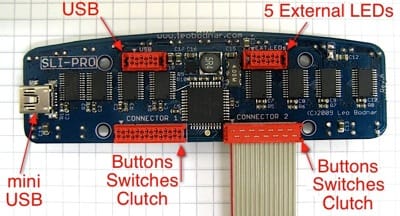
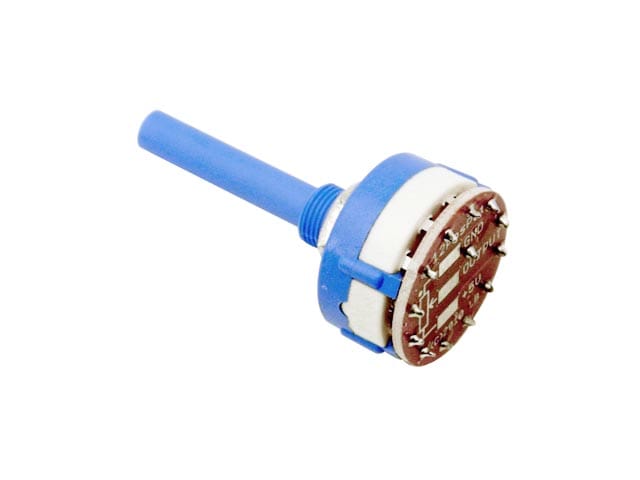
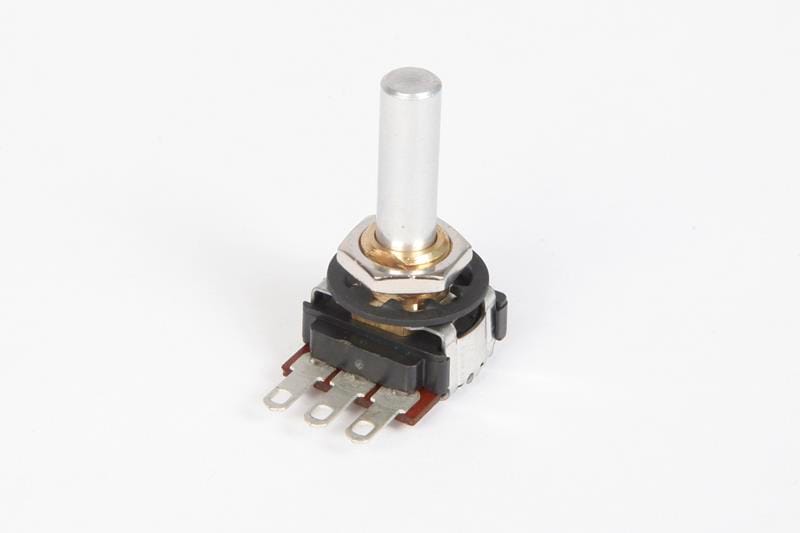
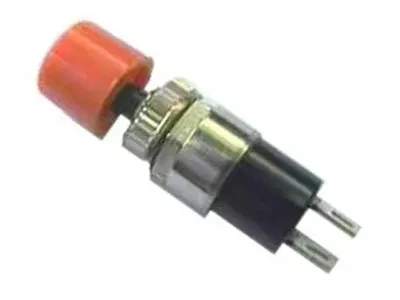
Buttons would be of the momentary type, and the knobs would be a mix of multi-position switch type and rotary encoders. The switch-type knobs would be for changing the displays on the SLI-Pro, and the encoders would be for changing display modes in-game and adjustments like brake bias, engine modes, etc.
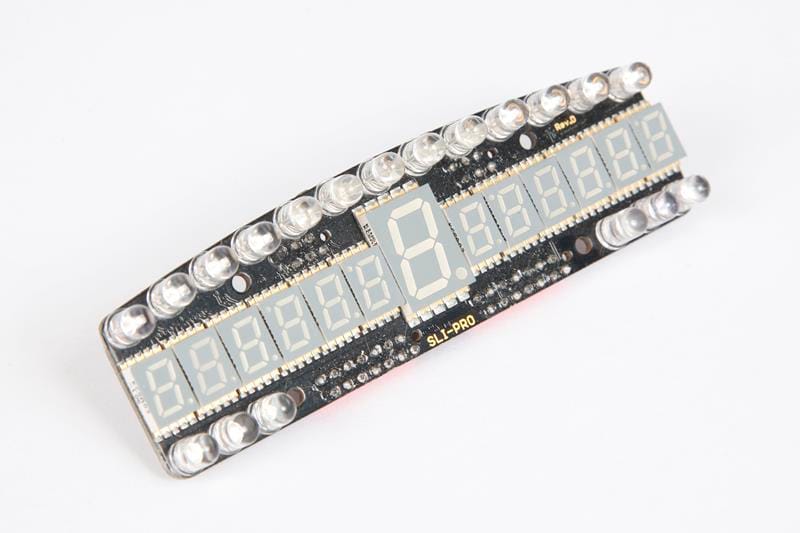
We bought the SLI-Pro, rotary encoders and 12-position rotary switches from Leo Bodnar and then purchased the momentary switches from a local supplier.
We did this to save some money since the momentary switches are nothing special, but paying in Pounds adds up quickly when your currency is Rands.
The build
The wheel was made from two layers of laser-cut aluminium. Handles were made from wood and covered in genuine leather. Wiring was hidden between the two layers, and the front plate was covered in vinyl that looked like carbon fibre.
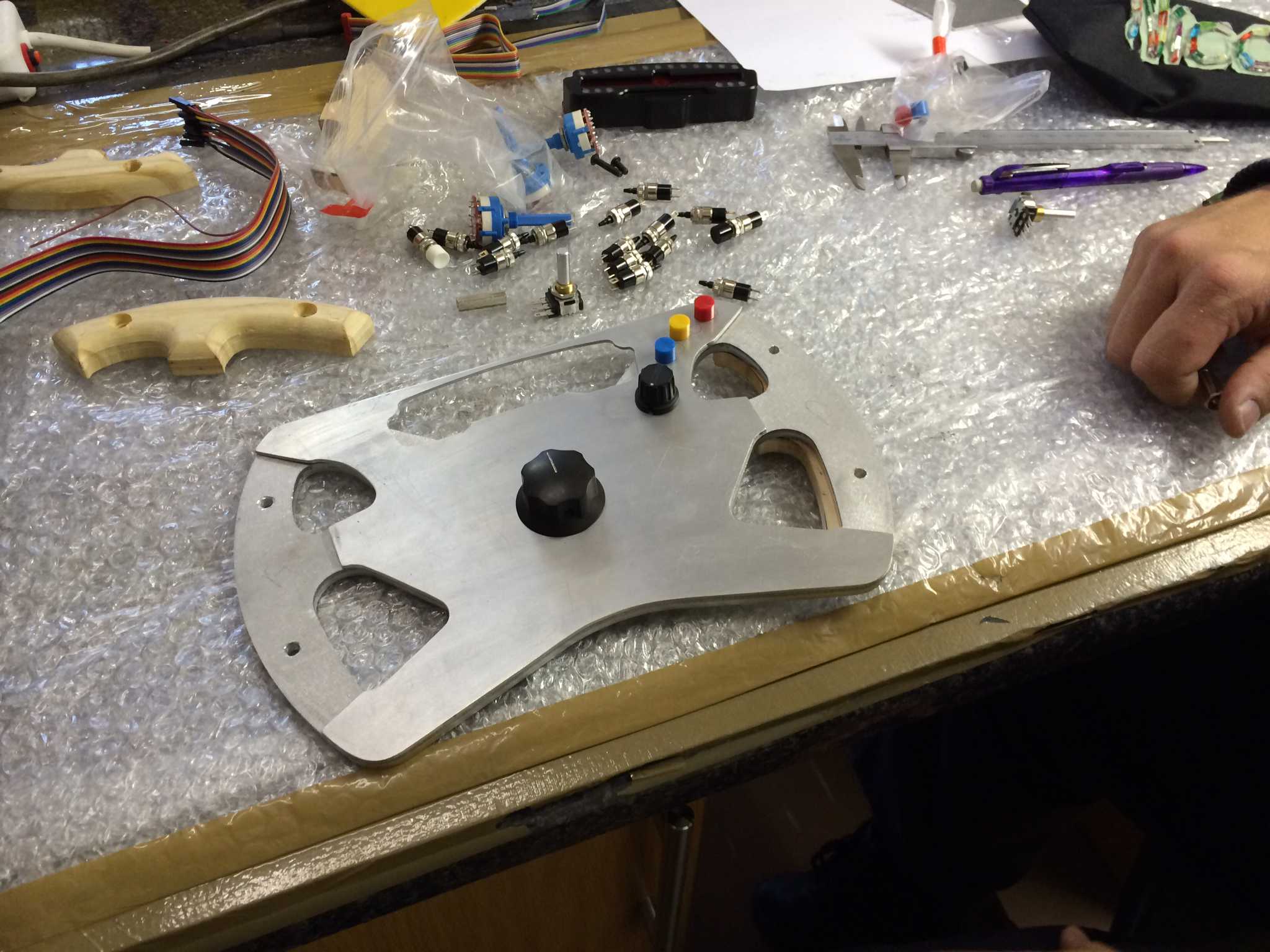
The wheelbase's circuit board, which contained the switches and connectors for the existing G27's buttons, was modified so that the shifters were connected to the SLI-Pro.
Unfortunately, we don't have too many photos of the wheel being built, but we may add photos of the disassembled wheel in the future.
We had some issues with the wiring where some buttons didn't work immediately but were quickly fixed with some soldering repairs.
The finished product was a wheel with an aluminium chassis and faceplate, wooden handles wrapped in genuine leather housing a digital display. The wheel featured 10 buttons, two 12-position rotary switches and three rotary encoders.
Software
To get the encoders working correctly, we just had to use the Leo Bodnar SLI-Pro config software. Everything else worked out-of-the-box. Since we didn't mess around with the wheelbase, force feedback was unaffected. All that we had to do was configure the new buttons and knobs, and we were ready to race.
Usage
We raced mainly in iRacing, and the new wheel was amazing in terms of giving us the extra controls we always wanted. Brake Bias and Engine Performance were so easy to adjust now.
Video of the wheel in action
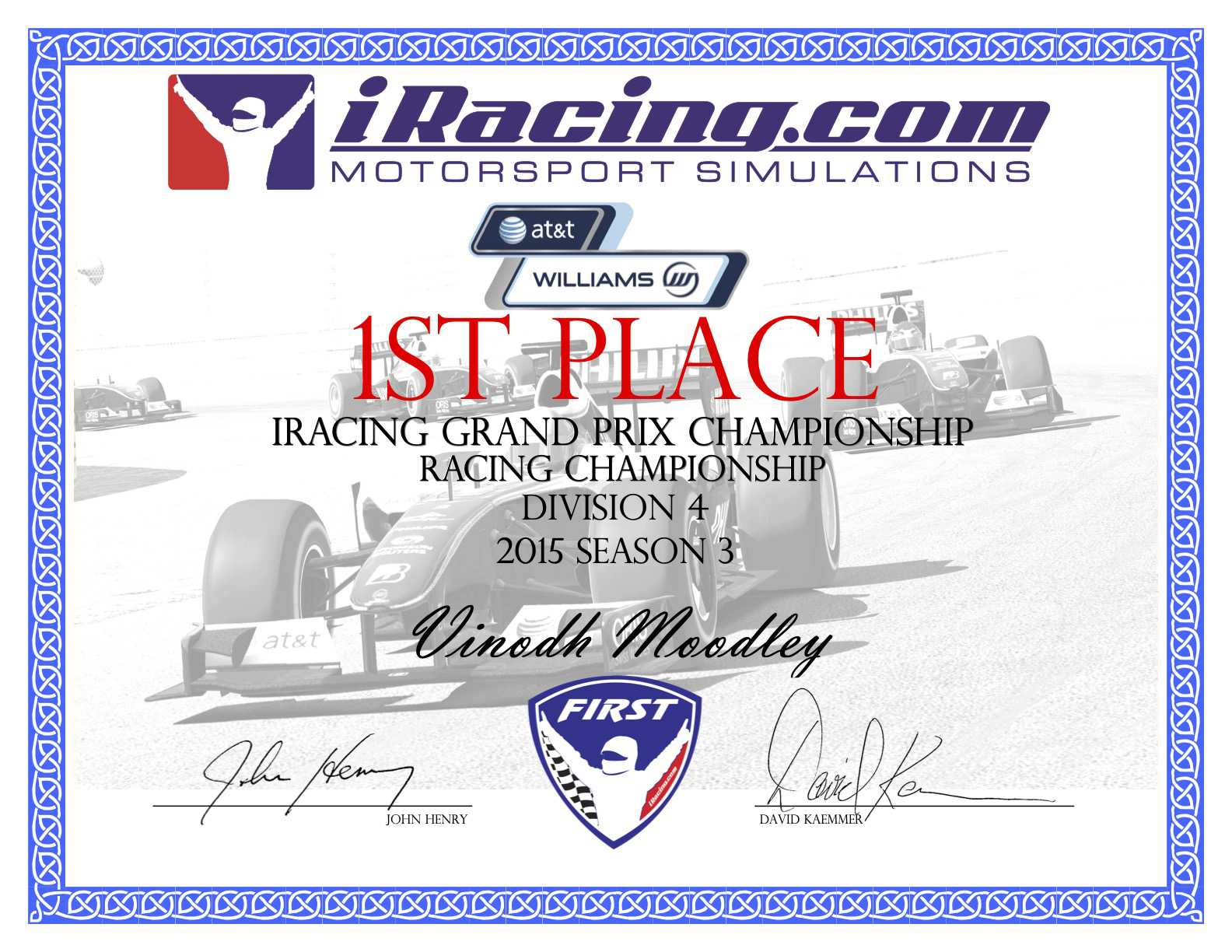
We used this wheel to great effect and went on to win two divisional Grand Prix Series Championships driving the Williams FW31 F1 car.
One thing we wanted to do but didn't was installing the encoders into the thumb holes. It seemed a bit too difficult at the time to design and build a mounting mechanism, but looking back now, it actually would have been relatively easy to do.
Final thoughts
The process we followed to build the wheel was not very well planned out, and the result wasn't very neat and tidy. It was always intended to be a prototype with a more polished product planned to follow, but that never happened. We used the wheel as is for several years before upgrading to a Fanatec Podium F1 wheel with a DD1 wheelbase.
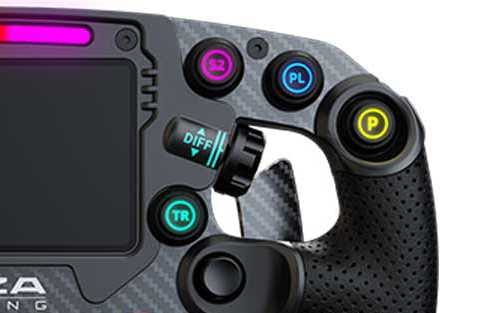
Despite this, the wheel gave us good service without any breakages or issues. We wanted certain functionality that the original G27 did not have, and we achieved this. Having on-wheel control of brake bias, engine performance, differential settings, etc combined with the display that showed fuel remaining, lap time splits, tyre info, etc changed the way we approached sim racing. In some ways, the Fanatec wheel was a downgrade since the display was not as good and felt less immersive.
So, what happened to the wheel after it was replaced? It is now a display piece sitting on a shelf in our sim racing room. It is used as a digital clock and serves as a constant reminder that it may not have been perfect, but it did the job.